

The Right Cardstock for Business Cards That Leave a Lasting Impression
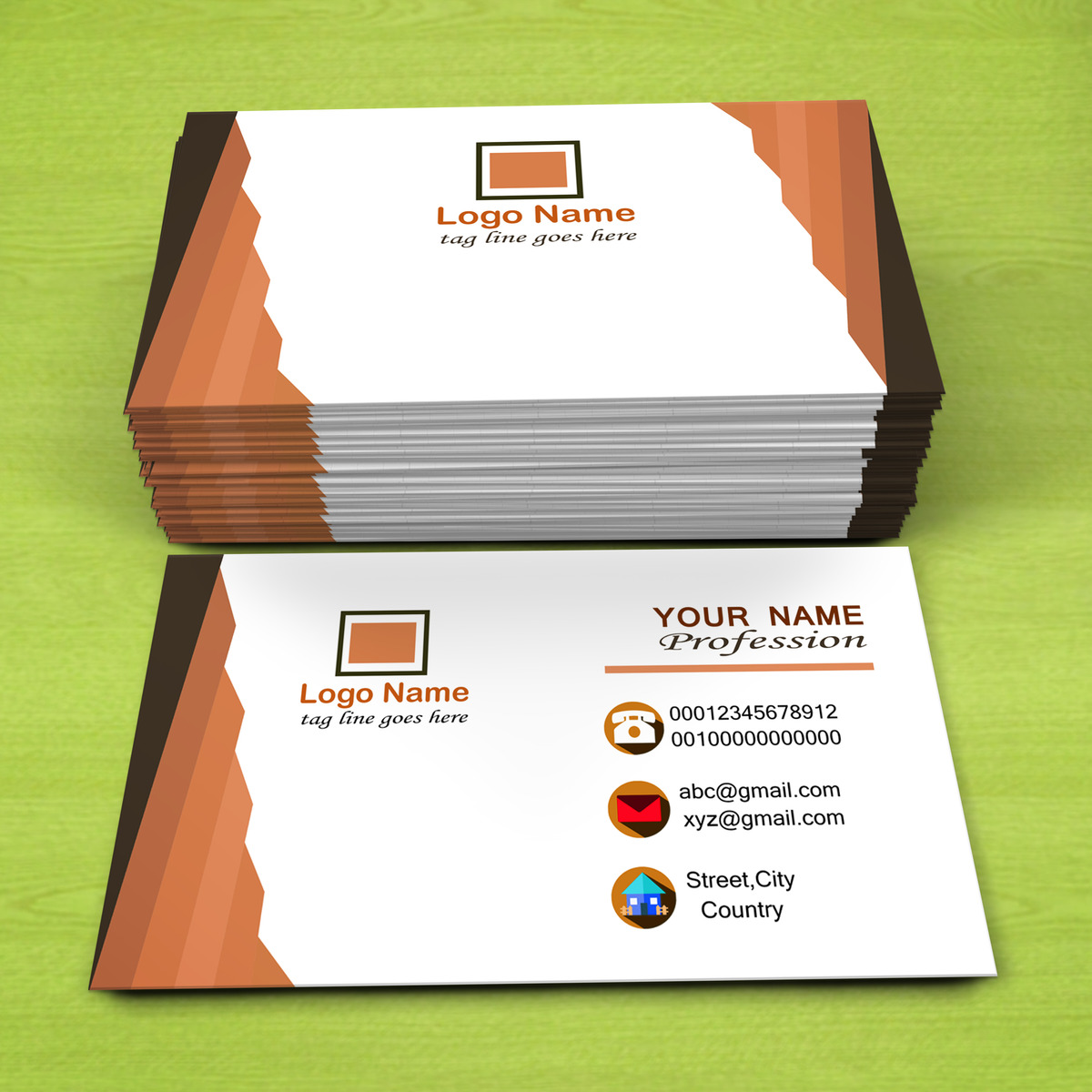
Business cards have one job: make a professional, memorable introduction. The best cardstock for business cards combines the right cardstock weight with the right cardstock finish, creating a card that feels substantial, prints beautifully, and stands up to frequent handling.
 Recommended Characteristics
Heavy-weight cardstock with a firm, rigid feel: A substantial cardstock weight instantly communicates quality and professionalism. Business cards are exchanged by hand, stored in wallets, and carried to meetings, so a heavier sheet helps the card maintain its shape while creating a stronger first impression.
Smooth surface with a matte finish: For many professionals, this is the best cardstock for business cards because it balances sharp print detail with a refined appearance. A smooth surface keeps logos, typography, and contact information crisp, while a matte cardstock finish reduces glare and delivers an upscale, modern look.
Smooth surface with a glossy finish: When bold colors, photography, or highly visual branding are central to the design, a glossy cardstock finish can help graphics appear more vibrant and eye-catching. The reflective surface enhances color depth and visual impact, making it a strong choice for creative industries.
Bright white, high-opacity cardstock: Color and opacity play a larger role than many people realize. A bright white sheet provides excellent contrast for text and graphics, helping designs appear clean and professional. High opacity prevents show-through from the reverse side, ensuring both sides of the card remain easy to read and visually polished.
Textured cardstock in a premium white or natural shade: For brands that want a handcrafted, boutique, or luxury feel, a subtle texture adds distinction. The tactile quality immediately sets the card apart and creates a memorable sensory experience. Natural white tones can feel warm and approachable, while premium white shades project clarity and sophistication.
Why These Characteristics Matter
Choosing cardstock for business cards is really about balancing appearance, feel, and performance. Weight influences how durable and premium the card feels. Finish affects how colors and text are perceived. Surface quality determines print sharpness. Color impacts contrast and brand presentation. Opacity ensures information remains legible on both sides.
Texture can be particularly powerful because it creates a physical connection with the recipient. While digital communication continues to dominate business interactions, a well-chosen cardstock reminds people that printed materials still have a unique ability to make an impression through touch as well as sight.
Durability is another consideration. Cards that crease easily or show wear quickly can unintentionally weaken a professional image. A sturdy cardstock helps preserve clean edges, maintains its appearance over time, and continues representing the brand long after the initial exchange.
When comparing options, think beyond the artwork. The best business card designs work because the cardstock supports the message. A creative agency may benefit from textured stock with strong tactile appeal. A financial advisor may prefer a smooth, heavyweight sheet with a matte finish and crisp typography. The right choice depends on the experience you want recipients to have when they pick up the card.
In One Line
- Want the safest professional choice? Choose a heavy-weight, bright white cardstock with a smooth matte finish.
- Want stronger visual impact? Choose a heavy-weight cardstock with a smooth glossy finish and high opacity.
- Want a premium, memorable feel? Choose a heavy-weight textured cardstock in a white or natural shade.
Explore the full selection of cardstock options at defypaper.com, comparing cardstock weight, finish, surface, color, opacity, and texture to find the best fit for your business cards. Start your project with the characteristics that match your brand, then share the finished result and inspire others with your creative vision.